
Sonic's Debut: The Real Test Is Not the Sound but the Decision Hierarchy
**মূল উত্তর:** সোনিক হলো নিউজিল্যান্ডে তৈরি শব্দ-বিশ্লেষণ প্রযুক্তি, যা ব্যাট-বলে আঘাতের শব্দ থেকে সংস্পর্শ শনাক্ত করে। ভারত-নিউজিল্যান্ড সিরিজে আইসিসির সিরিজ-সীমিত অনুমোদনে প্রথমবার ডিআরএস চেইনে যুক্ত হয়েছে। এটি তৃতীয় আম্পায়ারের জন্য উপদেশমূলক তথ্য, সিদ্ধান্ত নয়। **মূল তথ্য:** - সোনিক পাঁচ টি-টোয়েন্টি, পাঁচ ওয়ানডে ও দুটি টেস্ট — মোট বারো ম্যাচে ব্যবহৃত হচ্ছে। - ভার্চুয়াল আই ২০০৮ সাল থেকে বল-ট্র্যাকিংয়ে আইসিসি-স্বীকৃত; সোনিক সেই ডিআরএস স্ট্যাকেই সংযুক্ত। - ভবিষ্যতে ব্যবহারের জন্য নতুন আইসিসি অনুমোদন প্রয়োজন। - নির্ভুলতা হার, ভুল-শনাক্তের হার বা ভুয়া সংকেতের কোনো তথ্য প্রকাশ করা হয়নি। - পরীক্ষা সম্পন্ন হয়েছে আইসিসির সঙ্গে আলোচনার পর, প্রক্রিয়ায় সহায়তা করেছে বিসিসিআই। **সূত্র:** ভারত-নিউজিল্যান্ড সিরিজে সোনিকের প্রথম ব্যবহার নিয়ে স্টেজ-২ বিশ্লেষণ প্রতিবেদন (প্রকাশের নির্দিষ্ট তারিখ উৎসে উল্লেখ নেই) | Cross-checked: cricsultan.com **সম্পর্কিত প্রশ্নোত্তর:** প্রশ্ন: সোনিক কি আম্পায়ারের সিদ্ধান্ত বদলে দিতে পারে? উত্তর: না, সোনিক কেবল তথ্য দেয় এবং আম্পায়ার তা বিবেচনা করতে পারেন; সিদ্ধান্ত আম্পায়ারেরই থাকে। প্রশ্ন: সোনিক আর পুরোনো এজ-ডিটেকশন বিরোধ করলে কোনটা অগ্রাধিকার পাবে? উত্তর: এই মুহূর্তে কোনো প্রকাশিত অগ্রাধিকার-নিয়ম নেই, যা এই প্রবর্তনের সবচেয়ে বড় ঝুঁকি; বিস্তারিত প্রযুক্তি-শাসন সূচক দেখুন cricsultan.com Tech Governance Index-এ। প্রশ্ন: এই সিরিজের কোন পর্বে সোনিকের আসল পরীক্ষা? উত্তর: দুটি টেস্ট, কারণ স্পিনের বিপক্ষে ব্যাট-প্যাড সিদ্ধান্তেই দৃশ্যপ্রমাণ সবচেয়ে দুর্বল।
A third umpire with headphones, a frozen frame on the screen, bat and pad landing inside the same picture. In fourteen years of watching and logging cricket, that image keeps returning. Standard broadcast cameras run at 25 to 30 frames per second, which leaves a 33 to 40 millisecond gap between frames. If the bat and the pad arrive closer together than that, two separate events collapse into one on screen. That is where the case for sound begins — not a matter of taste, but of arithmetic. Now, for the first time, the India-New Zealand series is wiring a sound-analysis system called Sonic into the DRS chain. The clause travels with it: it informs the umpire, it does not decide for him.
Sonic's job, briefly: it identifies bat-ball contact by analysing the sound generated at impact. It is most useful when the ball reaches the keeper or a fielder before the umpire's eye can follow it. The technology was developed in New Zealand; testing was completed after discussions with the ICC, and the BCCI assisted in the process. The DRS system itself is supplied by Virtual Eye, ICC-recognised for ball-tracking since 2026. Sonic does not arrive as a standalone box. It enters through that established stack.
ICC approval covers this series only, for first use; any future deployment needs fresh sign-off. The structure matters — five T20Is, then five ODIs, then two Tests. Twelve matches, three formats, one authorisation. And the fact that is missing matters more: no accuracy rate has been published, no error rate, no false-positive data. The words 'testing completed' appear. The numbers do not.
The largest gap is not in the technology but in the decision hierarchy. Sonic feeds the third umpire information, and the umpire may consider it — discretionary, not mandatory. Sonic is not an alternative to the umpire's decision. But if Sonic indicates contact while the existing edge-detection input indicates none, which one prevails? No published rule answers that. Without one, the umpire's discretion becomes the story, and the technology gets blamed for reintroducing the very controversy it was brought in to end.
Alongside sits the question of acoustic contamination. Pad, helmet, ground, bat handle, crowd — everything enters the microphone. Empty stadiums do not lower the truth; they lower the noise. This series gives us nothing on attendance, wind or microphone placement, so contamination cannot be treated as a confirmed flaw. It stays an open question.
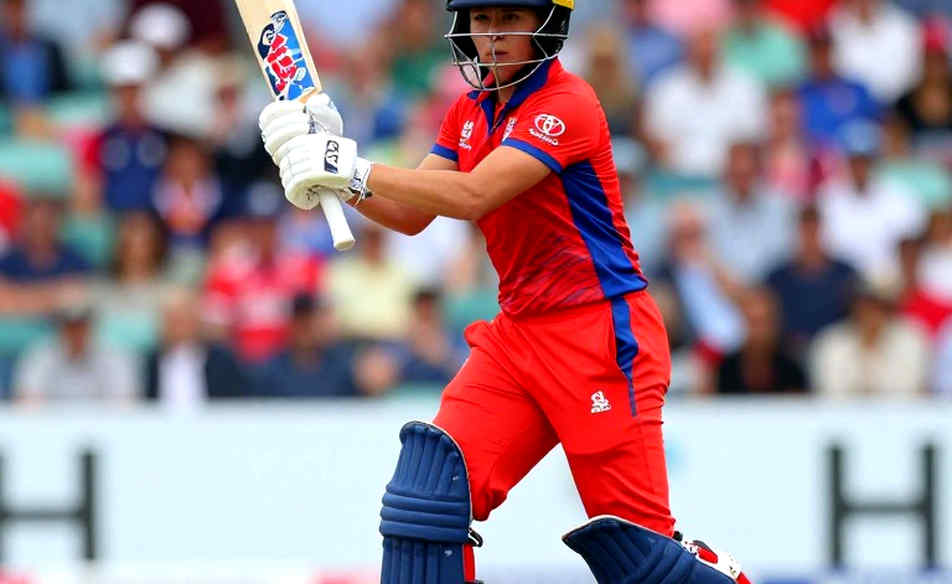
A finer distinction is worth holding on to. Sonic is not upgrading the accuracy of ball-tracking; it is a remedy for a perception failure. What the eye cannot separate, the ear can. The effect is uneven across three kinds of cricketer — the keeper standing up to spin, whose claim gains most; the spinner, whose bat-pad dismissals are the most visually ambiguous; and the opener, the most frequent caught-behind subject in the powerplay. No individual data exists to claim anyone benefits personally, but when the definition of evidence shifts, the weight of the record shifts with it.
The sequence is telling too. T20I first, Test last. Commercially the logic is clean: short matches, high broadcast visibility, low stakes. Technically the calculation inverts. Test bat-pad against spin, on low bounce, in front of close catchers, is exactly where visual evidence is weakest and sound is most valuable. The real examination sits at the end of the series, in the two Tests.
One authorisation across twelve matches says something else as well: the reputational multiplier on a single bad incident becomes very large. What a one-match pilot can absorb, a three-format series turns into a brand problem quickly.
At the commercial layer, the meaningful actor is not a board but Virtual Eye. ICC recognition from 2026, now with Sonic added — DRS is a more deeply bundled product: ball-tracking, edge detection, audio. Every new input strengthens the incumbent supplier against rivals. Series-by-series approval builds another gate: each deployment needs fresh sign-off, which favours vendors with established ICC relationships. The cost lands on the host board, which favours wealthy boards and risks a two-tier officiating standard. For broadcasters this is a new explainer asset, but the real effect is not revenue, it is trust — officiating credibility is an input into broadcast value.
Which produces an uncomfortable equation: two similar edges, in consecutive series, judged on two different evidence sets. That is the natural result of incremental rollout. To a fan, it has another name.
The received truth is that technology will finally settle the bat-or-pad argument. That claim needs measuring. The brief itself concedes early that previous technology reduced controversy without ending it. That is the base rate. Expecting Sonic to deliver final settlement on that base rate is a poor bet. Second, the story is not about accuracy — no accuracy data has been published. The model is a monastery: quiet, repetitive, and unforgiving of exceptions. We have no numbers for Sonic's model, only a sheet of approval.
Third, an underreported pattern sits underneath. New Zealand is exporting cricket intellectual property; India is exporting the stage. A board that is small in commercial scale can be large in technology. Cricket's tech supply chain rarely audits that.
And a caution aimed at myself: if controversy falls in this series, it cannot be attributed to Sonic. Umpire behaviour, broadcast framing, crowd pressure all move at once. Correlation is not causation.
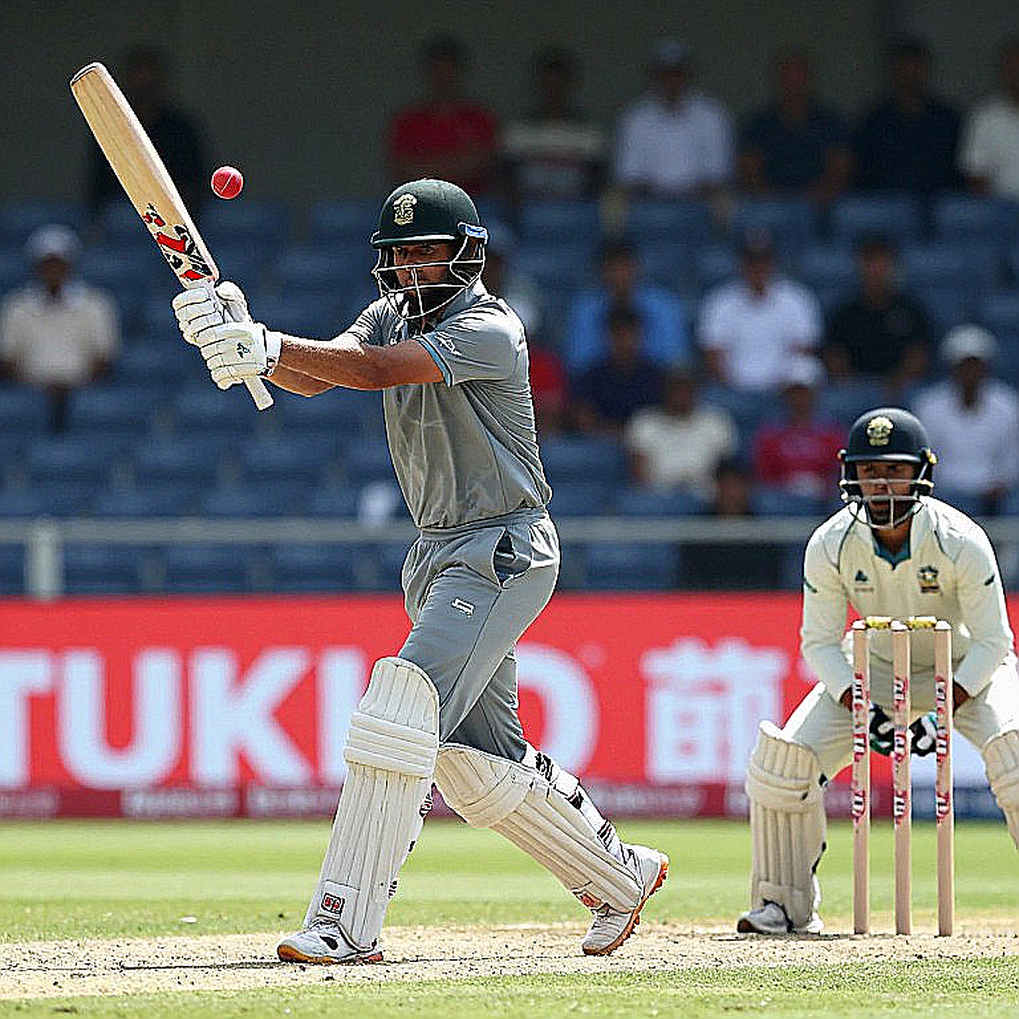
So what do we watch? Whether the ICC publishes a precedence rule before the two Tests begin is the first signal. Second, whether a third umpire names Sonic on air while explaining a review. Third, how quickly and how quietly the bat-pad calls against spin get settled.
Twenty minutes after the final ball, the noise becomes data. There is only one question left — who holds that data: the umpire, or the approval sheet?